Online payments are no longer shaped only by banks and long standing financial systems. Digital users now expect payment access that works instantly and fits naturally into their daily routines. The rise of alternatives connected to kripicard reflects this wider shift in how people think about paying online. Instead of planning payments around approval cycles, users expect payments to work when they need them.
This change did not happen suddenly. It grew as online activity expanded and traditional systems struggled to keep pace.
Why traditional banking feels disconnected online
Traditional banking was designed for structured environments. Branch visits, fixed hours, and layered verification made sense in a physical world. Online spaces operate very differently. Users move quickly, switch platforms often, and complete transactions at all hours.
When online payments depend heavily on banking processes, they feel slow and restrictive. Users do not want to wait for confirmations or manage steps that interrupt their activity. This mismatch has pushed many people to explore payment methods that operate beyond traditional banking boundaries.
Digital lifestyles demanding faster payment access
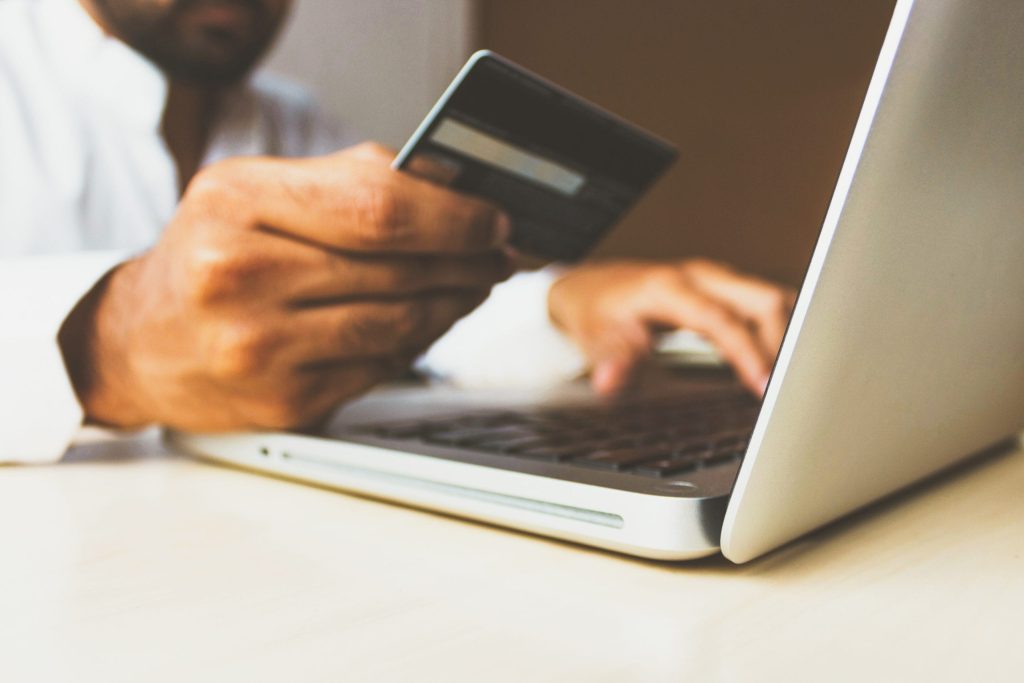
Digital lifestyles are fluid. Users subscribe to services, purchase tools, and manage recurring payments across multiple platforms. These actions happen in short moments, often without advance planning.
New payment methods focus on immediate usability. Faster access allows users to act on decisions without hesitation. When payment systems support this pace, users feel more confident spending online. Speed becomes part of the experience, even when it is not consciously noticed.
Flexibility replacing rigid payment structures
Flexibility is now a major factor in payment choice. Online users do not want systems that force them into fixed patterns. They prefer payment tools that adapt to their habits instead of demanding adjustment.
Modern payment methods allow smoother transitions between platforms and services. This flexibility reduces friction and helps users maintain continuity in their online activities. When payments fit naturally into digital routines, they feel less like a task and more like a background process.
Privacy awareness influencing payment preferences
Privacy awareness has grown alongside online spending. Users are more cautious about how often they share personal details and where those details are stored. Payment systems that rely heavily on banking profiles can feel intrusive.
Newer payment approaches often reduce exposure by simplifying the process. This balance between access and privacy makes users feel more comfortable. When payments feel respectful of personal boundaries, trust builds more easily.
The future of payments beyond banking systems
Online payments will continue moving away from strict reliance on traditional banking. Users want systems that support speed, flexibility, and comfort without unnecessary complexity. Payments are expected to work quietly, without demanding attention.
The future of online payments will favor solutions that fit modern digital life rather than forcing old structures into new environments.