Tree surgeon professionals play a vital role in maintaining healthy landscapes and protecting the natural beauty of residential and commercial spaces. With specialized knowledge, modern equipment, and a commitment to sustainable practices, these experts ensure that trees remain strong, safe, and visually appealing. Tree preservation is not only about appearance; it is about safeguarding the environment, enhancing property value, and promoting long-term ecological balance.

By combining science, skill, and precision, tree surgeon professionals deliver reliable solutions tailored to each tree’s condition and surroundings.

The Importance of Professional Tree Preservation

Healthy trees contribute to cleaner air, improved soil stability, and enhanced outdoor aesthetics. Professional tree preservation focuses on proactive care that prevents disease, structural weakness, and unnecessary removal.

Key benefits of expert tree preservation include:

Tree Surgery Services

  • Improved tree health through precise pruning and maintenance
  • Early detection of pests and diseases
  • Enhanced structural integrity and storm resistance
  • Increased property value and curb appeal
  • Promotion of long-term environmental sustainability

Advice on protecting and preserving established trees is available via treesurgeoncheadle.co.uk.

Comprehensive Services Offered by Tree Surgeon Professionals

Tree preservation requires a strategic and knowledgeable approach. Skilled professionals provide a wide range of services designed to strengthen and protect trees in various environments.

1. Precision Pruning and Crown Management

Proper pruning encourages healthy growth and removes weak or damaged branches. Crown thinning and reshaping improve airflow and sunlight penetration, helping trees thrive naturally while maintaining aesthetic balance.

2. Tree Health Assessments

Detailed inspections identify potential issues before they escalate. Professionals evaluate:

  • Signs of decay or fungal growth
  • Pest infestations
  • Soil health and nutrient deficiencies
  • Structural imbalances

Early intervention ensures reliable, long-term preservation solutions.

3. Safe Tree Removal When Necessary

While preservation is the priority, there are situations where removal is essential for safety. Tree surgeon professionals carry out controlled and efficient removals with minimal environmental impact, always prioritizing surrounding landscapes.

Advanced Techniques and Modern Equipment

Modern tree preservation relies on innovative tools and industry-approved techniques. Tree surgeon professionals use advanced climbing systems, precision cutting equipment, and environmentally responsible treatments to ensure optimal results.

Their expertise allows them to:

  • Perform complex pruning safely at height
  • Protect nearby structures and landscaping
  • Apply eco-friendly solutions that support soil and root health
  • Deliver efficient service with minimal disruption

This combination of technology and training guarantees reliable outcomes for every project.

Commitment to Sustainable Tree Care

Sustainability is at the heart of professional tree preservation. Responsible practices help maintain biodiversity, reduce waste, and promote greener communities. By nurturing mature trees and planting strategically when needed, tree surgeon professionals contribute to healthier ecosystems and more vibrant outdoor spaces.

Choosing professional tree preservation services ensures that trees receive expert attention, proactive care, and dependable solutions. With a focus on safety, sustainability, and long-term health, tree surgeon professionals continue to deliver reliable results that protect nature’s most valuable assets.

Skin conditioning has become a long term focus for aesthetic clinics that prioritize overall skin health rather than short lived changes. These procedures aim to support hydration, tone, and resilience through consistent care. This is why many practitioners exploring korean beauty supplies look closely at skin booster categories designed to support ongoing skin conditioning instead of one time treatments. A reliable sourcing space allows clinics to build structured care plans with confidence.

Skin conditioning works best when treatments are steady, planned, and repeated with purpose.

Understanding skin conditioning as continuous care

Skin conditioning is not about correcting a single concern. It focuses on maintaining skin quality through regular support. Clinics often recommend these procedures for patients experiencing dryness, early aging signs, or uneven texture that benefits from gradual improvement.

Because results develop over time, practitioners must think beyond a single session. A sourcing environment that supports ongoing care allows clinics to plan sequences of treatments that align with how skin naturally responds and adapts.

Supporting consistent treatment routines

Consistency is essential for skin conditioning procedures. Clinics often follow protocols that involve multiple visits spaced across weeks or months.

When sourcing supports this consistency, practitioners can repeat treatments with confidence. Familiar routines improve technique and timing, which leads to more even and predictable results. Patients feel reassured when each visit follows a clear and familiar process.

korean beauty supplies

Helping practitioners plan maintenance focused care

Maintenance is a key part of skin conditioning. After initial improvement, many patients return for upkeep sessions to preserve results.

A reliable sourcing space supports this approach by allowing practitioners to plan maintenance visits in advance. This forward thinking helps clinics explain long term care clearly during consultations. Patients who understand the value of maintenance are more likely to stay consistent and satisfied.

Improving patient communication and trust

Clear communication is critical when treatments are ongoing. Patients need to understand that skin conditioning is gradual and depends on consistency.

When practitioners feel confident in their sourcing and treatment structure, they explain timelines more clearly. Patients appreciate honesty and realistic expectations. This transparency builds trust and reduces the risk of dissatisfaction caused by unrealistic hopes.

Supporting smooth clinic operations

Ongoing skin conditioning affects scheduling, preparation, and follow up coordination. Clinics need sourcing that fits naturally into daily workflows.

  • Appointments can be planned well in advance
    • Follow up visits remain predictable

This operational stability helps clinics manage workloads efficiently without placing unnecessary pressure on staff or patients.

Improving inventory planning for repeated procedures

Repeated skin conditioning treatments require careful inventory management. Clinics must balance availability with storage needs.

When sourcing aligns with ongoing care, inventory planning becomes easier. Clinics can order based on treatment cycles instead of reacting to last minute demand. This reduces waste, avoids shortages, and supports calmer operations.

Encouraging long term patient relationships

Skin conditioning procedures naturally encourage ongoing relationships. Patients return regularly, which builds familiarity and trust between practitioner and patient.

Clinics that offer well structured conditioning care often see higher patient retention. Over time, these relationships contribute to steady growth and a reputation for thoughtful, patient focused treatment.

Long term value for aesthetic practices

Focusing on ongoing skin conditioning creates lasting value for clinics. Instead of constantly adjusting offerings, practitioners refine a stable service that evolves with patient needs.

Patients benefit from gradual, natural looking improvement and consistent care. Clinics benefit from predictable scheduling and repeat visits. This balance supports sustainable success rather than short term demand spikes.

In the end, a reliable sourcing space for ongoing skin conditioning procedures supports clarity, consistency, and confidence. When sourcing aligns with continuous care goals, practitioners can deliver treatments with control and purpose. Skin conditioning becomes a dependable part of aesthetic practice, benefiting patients through steady improvement and supporting clinics through long term operational stability.

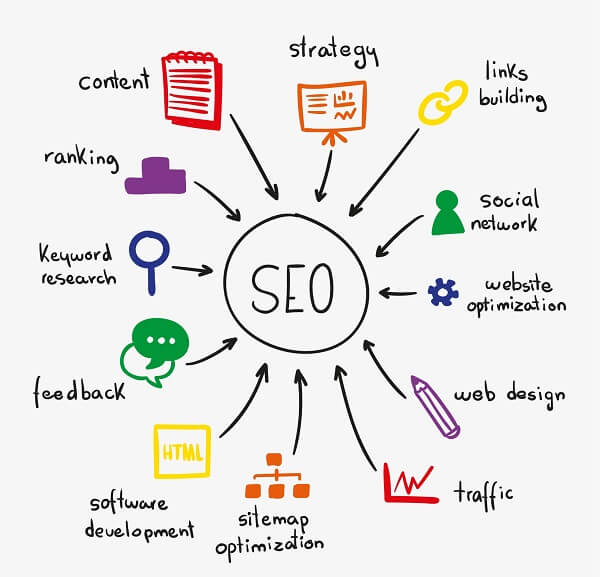
Achieving lasting digital visibility requires more than isolated tactics. A holistic search engine optimization approach blends technical precision, content excellence, and multi-channel harmony to create a sustainable presence across the entire online landscape. By integrating search intent, user experience, and platform-specific behavior, organizations can cultivate consistent discovery and engagement wherever audiences explore.

Understanding the Holistic SEO Mindset

A holistic strategy recognizes that performance does not come from one channel alone. Instead, it grows from an ecosystem of interconnected efforts working together. This philosophy focuses on:

  • User-first experiences across search, social platforms, and content environments
  • Long-term value creation instead of short bursts of traffic
  • Consistent messaging adapted for each digital touchpoint
  • Synergy between organic search, social influence, and on-page design

By embracing these principles, visibility becomes more stable and scalable.

Foundation: Technical and On-Page BalanceSearch Engine Optimization

Strong holistic Search Engine Optimization begins with a reliable technical infrastructure that supports content and marketing layers. Key priorities include:

  • Clean URL structures that improve clarity and indexing
  • Fast page loading to enhance satisfaction on mobile and desktop
  • Schema markup that enriches search results with structured data
  • Optimized internal linking that distributes authority naturally
  • Accessible navigation that supports both search engines and human visitors

When technical health aligns with intuitive design, search algorithms can better understand and reward the entire site environment.

Content Ecosystem: Multi-Touchpoint Messaging

Content serves as the core of holistic visibility, but it must extend beyond web pages. A thriving ecosystem includes:

  • Educational articles and guides that answer evolving user needs
  • Short-form posts tailored for social discovery
  • Visual storytelling through images, infographics, and short videos
  • Thought-building assets such as insights, tips, and trend-based commentary
  • Long-form resources that establish depth and authority

This diverse mix ensures that audiences connect with valuable information at every stage of their journey.

Off-Page Momentum and Multi-Channel Influence

Holistic SEO thrives on external signals that validate relevance. Multi-channel visibility should include:

  • Natural link attraction through high-quality content
  • Reputation-building participation in relevant digital communities
  • Social engagement loops that reinforce brand presence
  • Collaborative opportunities that expand reach and credibility

The goal is to create a balanced blend of authority indicators that extend beyond the website.

Behavioral Optimization and Continuous Refinement

Search engines increasingly reward sites that demonstrate genuine usefulness. Enhancing behavioral signals involves:

  • Clear content hierarchy that guides readers effortlessly
  • Engaging layouts that retain attention and encourage exploration
  • Interaction points such as forms, tools, or insights that support deeper involvement
  • Regular updates based on performance data and user feedback

Consistent refinement keeps content aligned with real-world interest and search evolution.

Building Sustainable, Multi-Channel Strength

Holistic search engine optimization unites technical precision, human-centered content, and platform-specific strategy into a cohesive framework. By creating balanced visibility across search, social, and content networks, any digital presence can achieve stronger recognition, deeper trust, and long-term discoverability in an ever-expanding online landscape.

Progress in today’s commercial world depends on decisions shaped by insight, timing, and adaptability. Organizations no longer rely only on routine planning but focus on intelligent methods that connect goals with real-time performance. The title How Smart Strategies Are Redefining Modern Businesses reflects a shift toward thoughtful action rather than reactive behaviour. Clear direction now comes from understanding customer needs, internal strengths, and emerging market signals. Competitive advantage grows when leaders balance creativity with structured planning. This approach allows enterprises to remain relevant while managing uncertainty with confidence.

Data-Centered Strategic Thinking

Modern enterprises use informed choices to guide every major move. Reliable data transforms vague ideas into measurable actions and builds clarity across departments.

  • Improves forecasting accuracy
  • Strengthens customer targeting
  • Enhances operational transparency
  • Reduces financial risk
  • Encourages evidence-based planning

Adaptive Leadership and Innovation

Leadership styles have changed to match fast-moving environments. Managers now focus on flexibility, empowering teams to respond quickly to evolving demands. Innovation becomes a shared responsibility rather than a top-down instruction. Continuous improvement culture allows companies to test ideas and refine methods without fear of failure. This balance between authority and creativity builds resilient structures that can survive market fluctuations.

Technology as Strategic Enabler

Technology no longer supports strategy from the side-lines Ahrefs Group Buy it actively shapes direction. Tools such as analytics platforms and digital research solutions help companies identify growth paths efficiently. Services like Ahrefs Group Buy enable access to advanced SEO insights without heavy financial investment, making strategic research more accessible.

  • Enhances market intelligence
  • Supports smarter budgeting
  • Improves digital visibility
  • Encourages faster decision cycles
  • Builds competitive positioning

Customer-Focused Business Models

Customer expectations now guide planning more than internal assumptions. Businesses analyze feedback, behaviour patterns, and service performance to refine their offerings. Personalization becomes a core strategy, strengthening trust and loyalty. By aligning services with genuine needs, brands build emotional connections instead of transactional relationships. This approach turns audiences into long-term supporters rather than short-term buyers.

Smart strategies represent a mindset that values awareness, planning, and innovation working together. Organizations succeed when they replace outdated methods with flexible systems that grow with demand. Thoughtful leadership encourages teams to experiment while staying aligned with long-term purpose. Technology-driven insights ensure each action is backed by reliable information. Customer-oriented thinking adds meaning to every service decision. The future belongs to businesses that invest in learning, adapting, and evolving through informed choices. Success will depend on how well strategy becomes a living process instead of a static plan.

Online payments are no longer shaped only by banks and long standing financial systems. Digital users now expect payment access that works instantly and fits naturally into their daily routines. The rise of alternatives connected to kripicard reflects this wider shift in how people think about paying online. Instead of planning payments around approval cycles, users expect payments to work when they need them.

This change did not happen suddenly. It grew as online activity expanded and traditional systems struggled to keep pace.

Why traditional banking feels disconnected online

Traditional banking was designed for structured environments. Branch visits, fixed hours, and layered verification made sense in a physical world. Online spaces operate very differently. Users move quickly, switch platforms often, and complete transactions at all hours.

When online payments depend heavily on banking processes, they feel slow and restrictive. Users do not want to wait for confirmations or manage steps that interrupt their activity. This mismatch has pushed many people to explore payment methods that operate beyond traditional banking boundaries.

Digital lifestyles demanding faster payment access

Virtual Card Pyment

Digital lifestyles are fluid. Users subscribe to services, purchase tools, and manage recurring payments across multiple platforms. These actions happen in short moments, often without advance planning.

New payment methods focus on immediate usability. Faster access allows users to act on decisions without hesitation. When payment systems support this pace, users feel more confident spending online. Speed becomes part of the experience, even when it is not consciously noticed.

Flexibility replacing rigid payment structures

Flexibility is now a major factor in payment choice. Online users do not want systems that force them into fixed patterns. They prefer payment tools that adapt to their habits instead of demanding adjustment.

Modern payment methods allow smoother transitions between platforms and services. This flexibility reduces friction and helps users maintain continuity in their online activities. When payments fit naturally into digital routines, they feel less like a task and more like a background process.

Privacy awareness influencing payment preferences

Privacy awareness has grown alongside online spending. Users are more cautious about how often they share personal details and where those details are stored. Payment systems that rely heavily on banking profiles can feel intrusive.

Newer payment approaches often reduce exposure by simplifying the process. This balance between access and privacy makes users feel more comfortable. When payments feel respectful of personal boundaries, trust builds more easily.

The future of payments beyond banking systems

Online payments will continue moving away from strict reliance on traditional banking. Users want systems that support speed, flexibility, and comfort without unnecessary complexity. Payments are expected to work quietly, without demanding attention.

The future of online payments will favor solutions that fit modern digital life rather than forcing old structures into new environments.